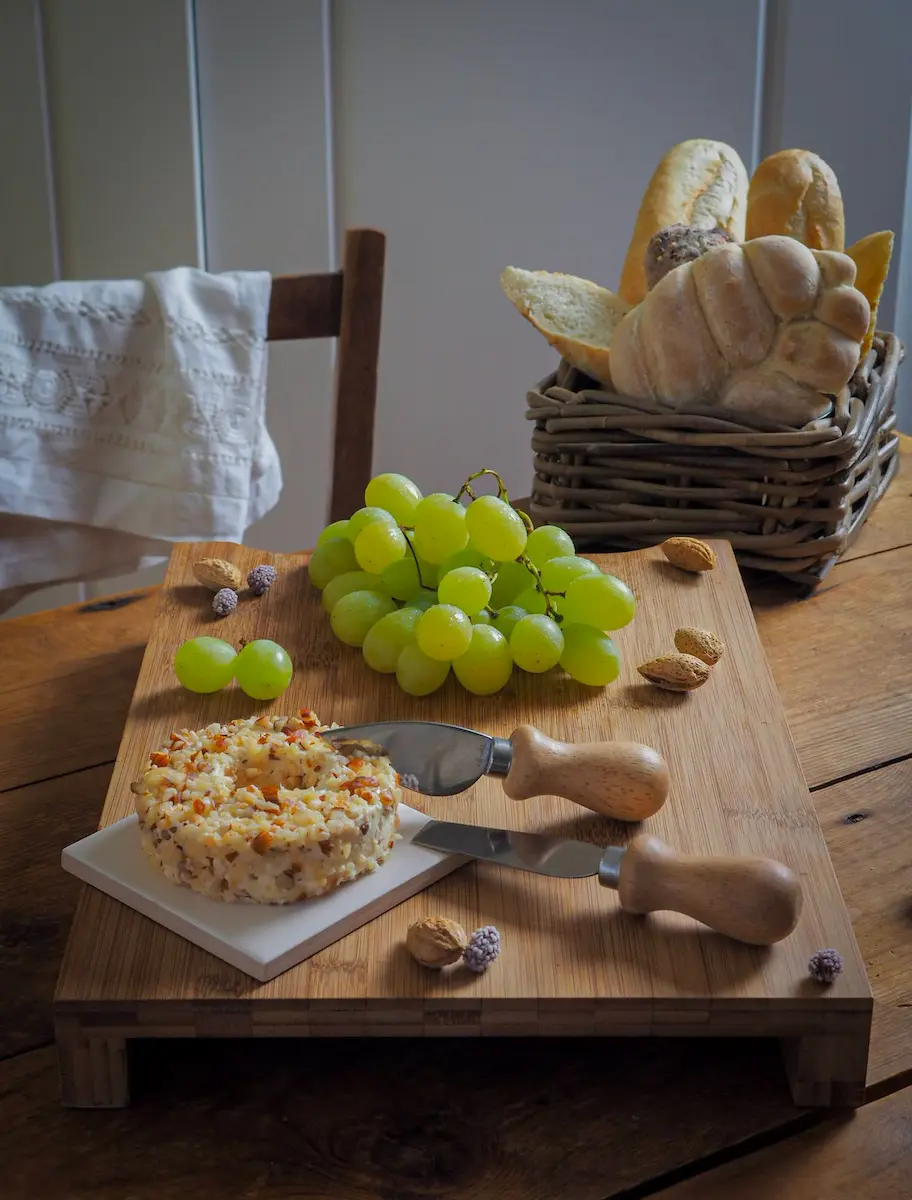
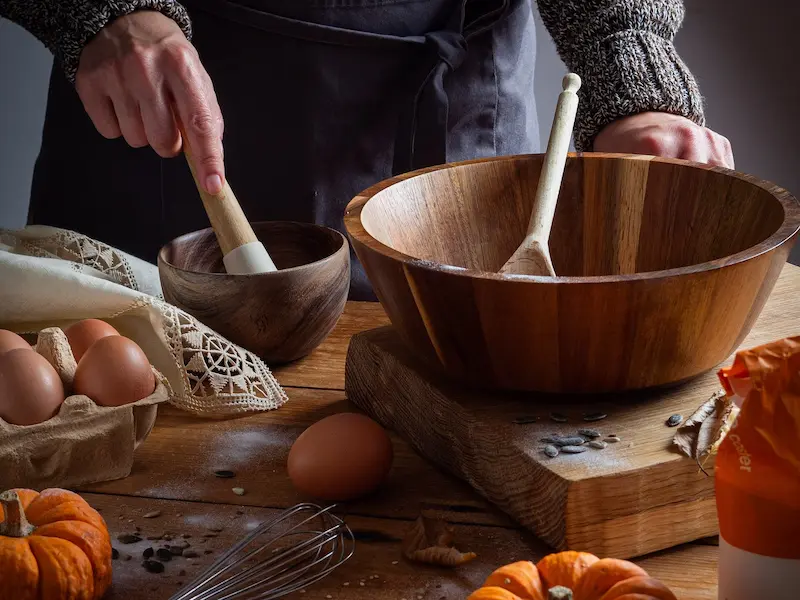
Professional Food Photographer in the UK
A food photographer is a specialist who creates compelling images of dishes, ingredients, and culinary scenes for commercial, editorial, and digital use. Restaurants, food brands, publishers, advertising agencies, and content creators hire professionals like Slava Tatenko to make their offerings look irresistible across menus, cookbooks, packaging, billboards, and social media campaigns.
The role blends culinary knowledge with technical photography skills and an understanding of food styling to transform everyday meals into appetite-inducing visuals. In 2024 and 2025, the demand for high-quality food imagery continues to grow as delivery apps, online reservations, and visual platforms like Instagram shape how people discover and choose where to eat. A professional food photographer understands that their images do more than document a dish—they sell an experience, convey a brand’s personality, and ultimately drive bookings, orders, and engagement.
Connecting Food Brands and Restaurants with Their Audience
Strong visuals directly influence whether someone clicks “book a table” or scrolls past. For restaurants and food producers, working with a skilled food photographer means translating brand values into images that resonate with the right customers.
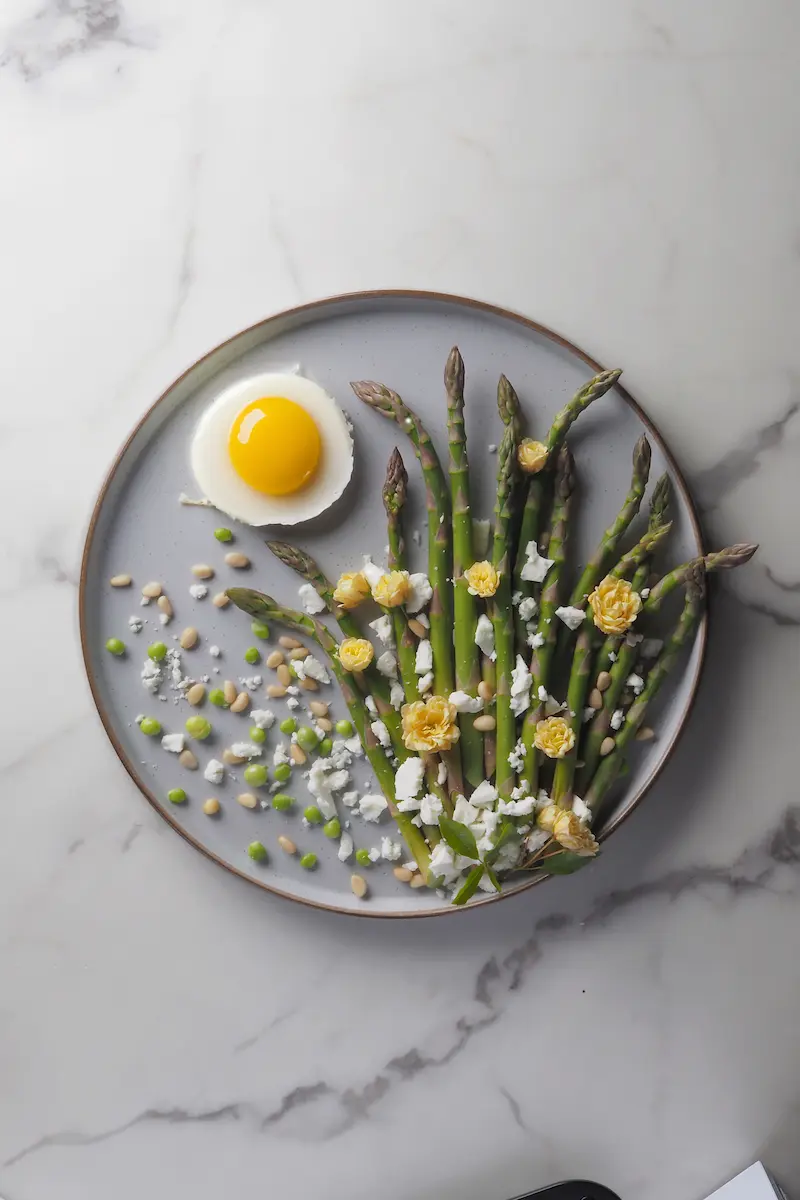
When a London restaurant launches a new tasting menu, we collaborate with the head chef and marketing team to understand the story behind each dish. Is the cuisine rooted in sustainable sourcing? Does the brand position itself as indulgent and luxurious, or accessible and budget-friendly? These answers shape everything from the colour palette and props to the backgrounds and plating style.
Consistency matters across every touchpoint. The images appearing on a restaurant’s Instagram grid should feel connected to those on the website and printed menus. This means establishing a recognisable visual identity through consistent backgrounds, props, and colour grading. Eye-catching food photography is not about a single stunning image—it’s about creating a visual language that clients can use across channels for months or years.
The Craft: Light, Texture, and Storytelling
Technical skill and storytelling transform a simple plate into an image that makes viewers hungry. A food photographer must master lighting, understand how textures interact with light, and compose scenes that guide the eye toward the most appetising elements.
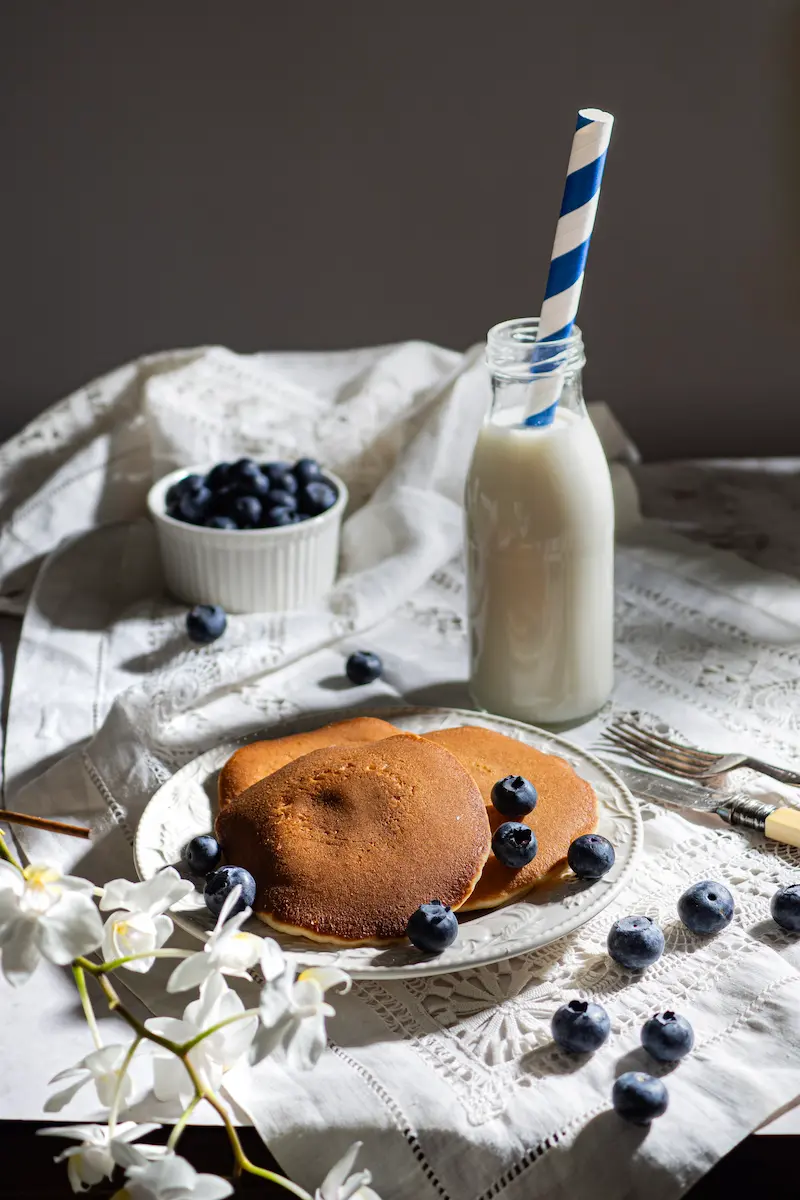
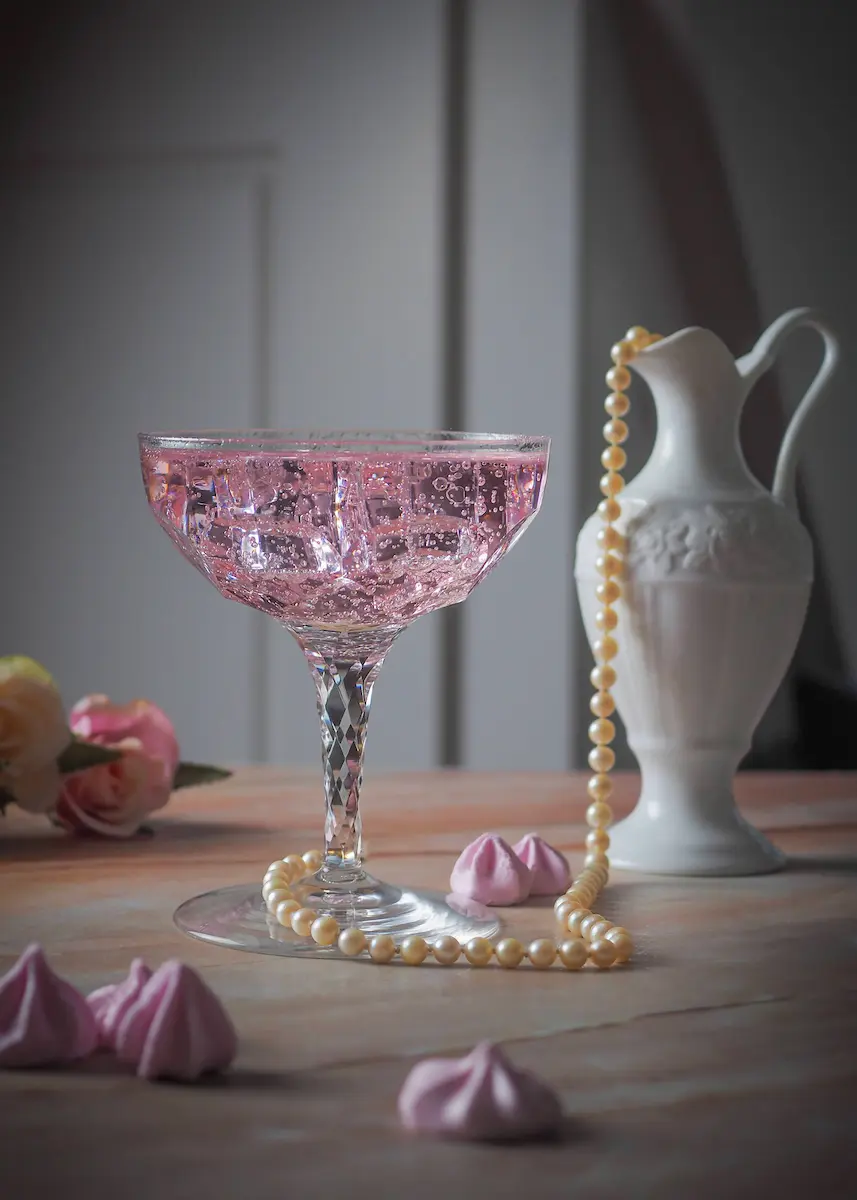
Natural light remains a favourite for many food photographers because of its soft, flattering quality. Shooting breakfast dishes in gentle morning light streaming through a window creates warmth and approachability. For cocktails or evening-focused menus, moody studio strobes or continuous LED lights can add drama and sophistication. The choice depends on the story being told and the brand’s identity.
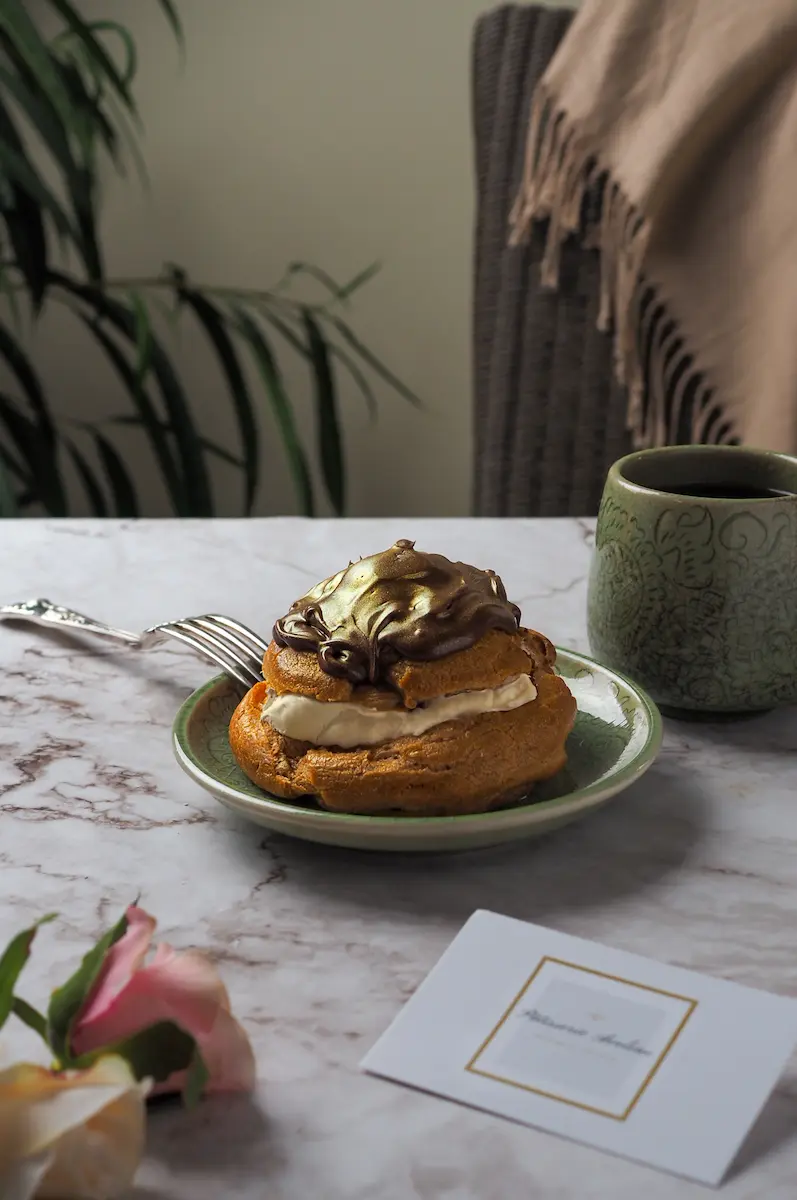
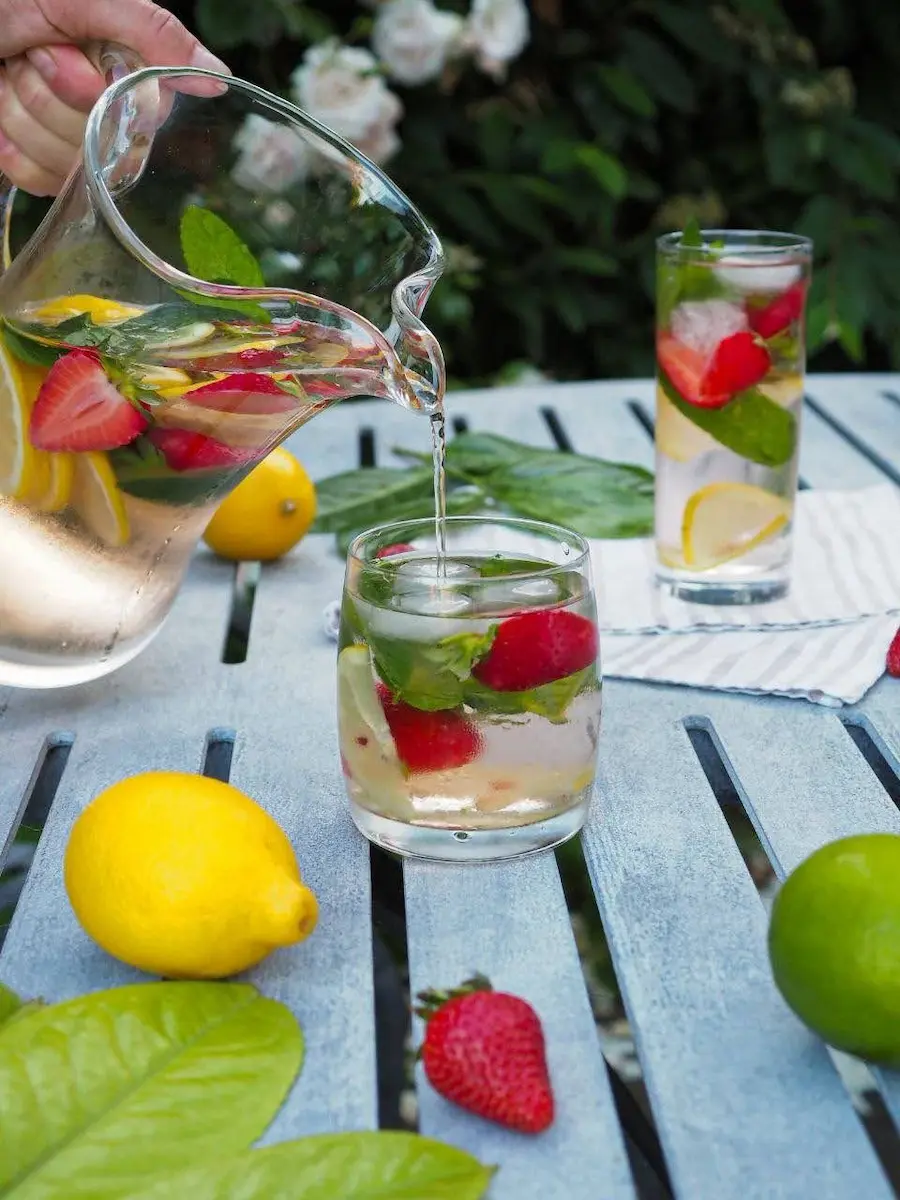
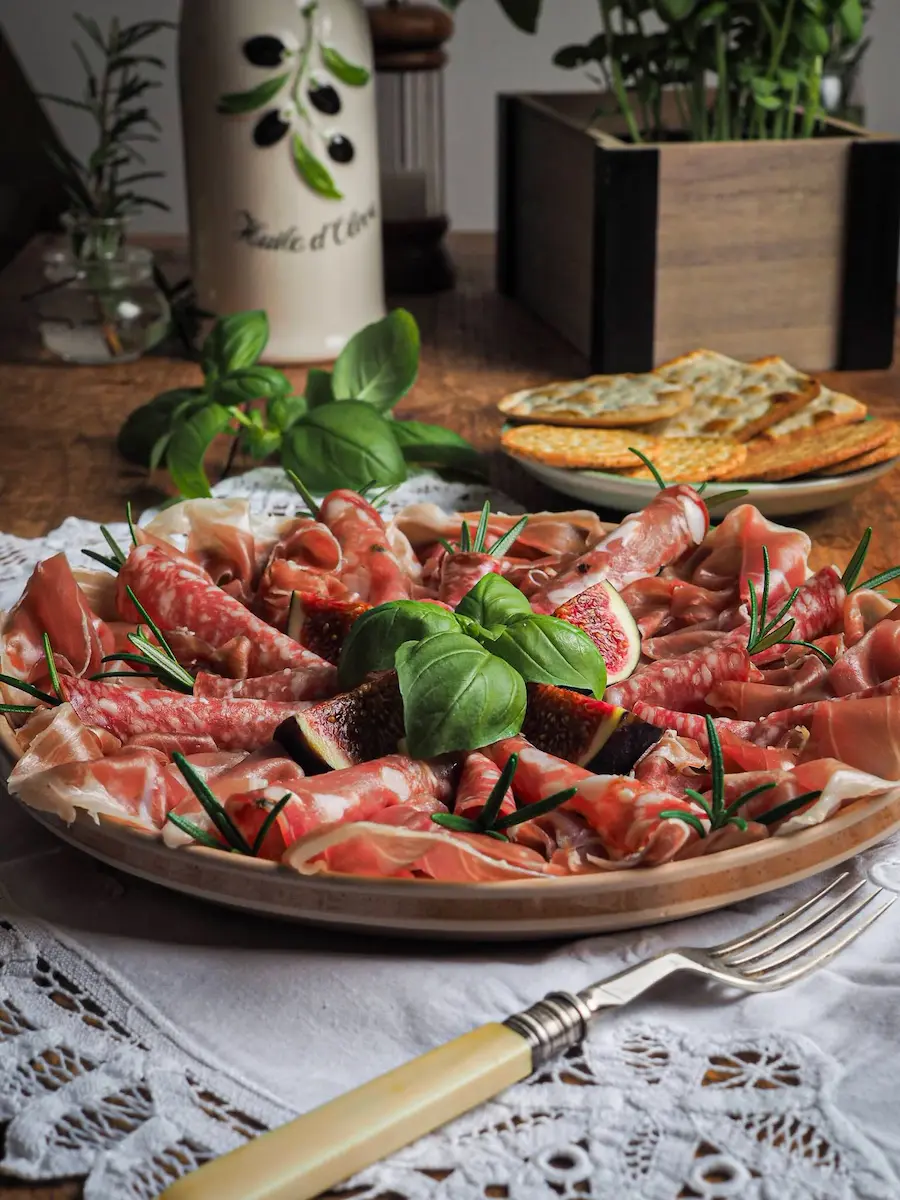
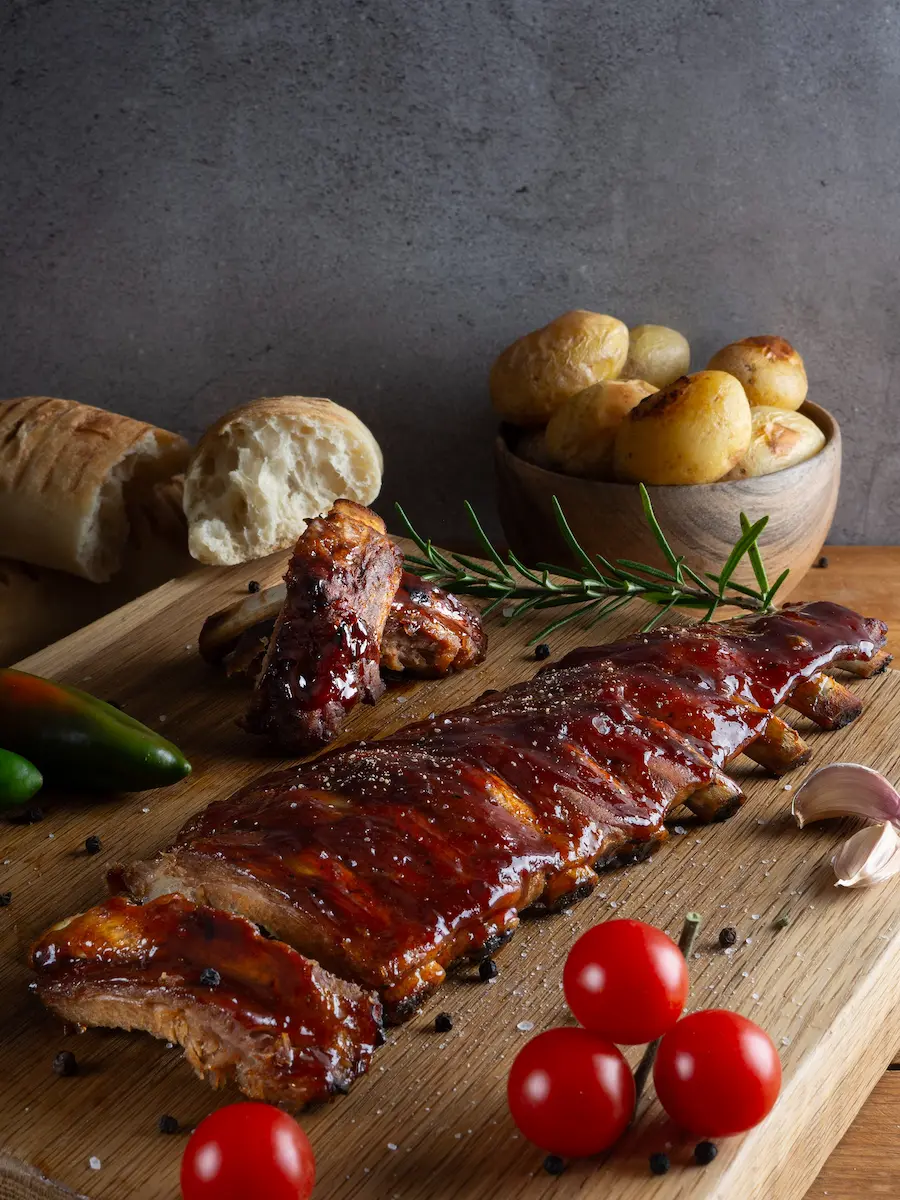
Textures are what make food photography three-dimensional. The crispness of fried chicken, the glossy sheen of a chocolate glaze, or the creamy swirl of a latte—each requires a different approach to lighting. Side lighting emphasises texture by creating small shadows that reveal surface details. Backlighting adds a glow to translucent elements like drinks, sauces, and thinly sliced vegetables.
Types of Food Photography Services
We specialise in specific areas to cover diverse client needs across the UK:
- Commercial Campaigns: Creating imagery for advertising across print and digital media. This might mean photographing chocolates for seasonal packaging or product photography for FMCG brands.
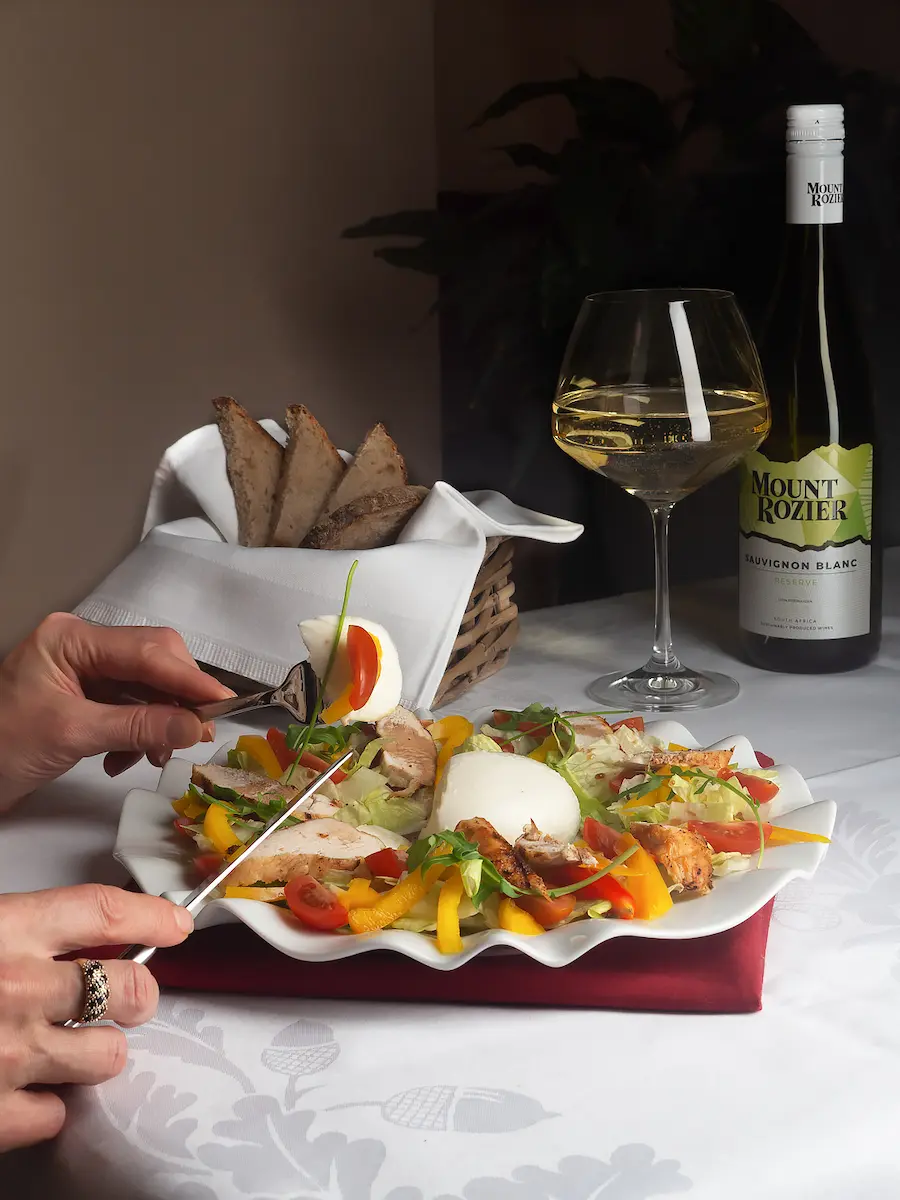
- Restaurant Photography: Capturing dishes, interiors, and atmosphere for use on websites and menus. A café in Bristol might commission a half-day shoot covering their brunch menu and cosy interior.
- E-commerce and Delivery: Every product shot for an online grocery platform or apps like UberEats must be evenly lit and accurately coloured. See our delivery apps photography services.
- Social Media Content: The style tends to be more casual and immediate, optimised for engagement on platforms like Instagram and TikTok.
Planning a Successful Food Shoot
Building a shot list balances hero dishes, details, and atmosphere shots within realistic time constraints. A skilled photographer can typically manage eight to twelve setups in a full day.
Consider a one-day shoot for a new café in Bath or Cardiff. The brief might call for hero dishes, drinks, interior shots, and a few candid staff portraits. We plan the sequence strategically: starting with dishes that hold well, saving items that wilt or melt for later.
Logistics require coordination with the kitchen. Ingredients must be prepped in advance. Multiple versions of perishable dishes may be needed if the first attempt does not photograph well. Clients should allocate space for a mini-studio—ideally near a window for natural light or in an area where artificial lights can be safely positioned.
Hiring a Food Photographer in the UK
Investing in professional food photography can significantly increase perceived value and conversion rates. Whether you are in Exeter, Salisbury, or London, the quality of your images shapes expectations.
Pricing structures typically include day rates or half-day rates, with additional costs for food styling, props, and post-production. You can learn more about our rates on our pricing page.
Food photography is a field that continues to evolve. Whether you are hiring a photographer for your next menu refresh or launching a new product, the foundation remains constant: create images that tell a story, connect with viewers, and make people hungry. Contact us today to discuss your project.